Author

Jagger Ricky

Browsing

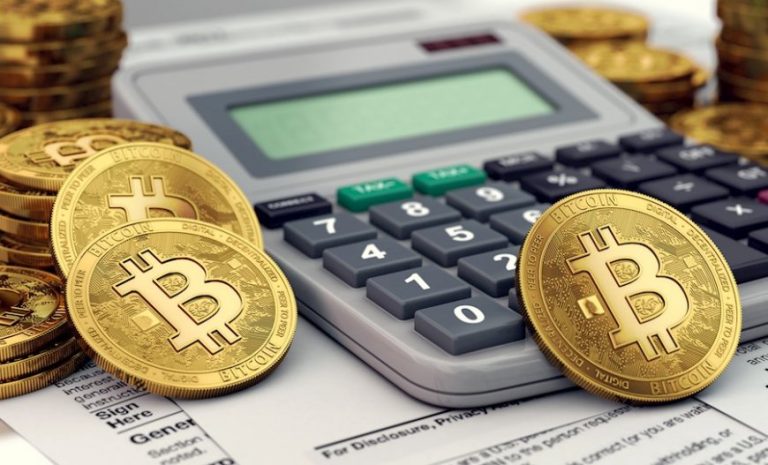
Entering the world of digital assets offers incredible opportunities for financial growth, technological exploration, and modern investing. However, as the ecosystem matured, tax authorities around the globe turned their full attention toward blockchain transactions. Navigating crypto taxation often feels intimidating for newcomers because traditional financial systems do not cleanly map onto decentralized networks. Understanding how tax agencies view digital tokens is essential for every investor, trader, and hobbyist. Failing to report transactions accurately can result in severe financial penalties, audits, and legal complications. Mastering the foundational principles of reporting digital asset activity ensures that your participation in the decentralized economy remains compliant and worry-free.

The Regulatory Classification of Digital Assets

Tax authorities do not classify cryptocurrencies as foreign fiat currency. Instead, major regulatory bodies like the Internal Revenue Service treat digital tokens as property. This classification changes everything about how transactions are reported and taxed. When you own property, holding it does not trigger a taxable event. However, disposing of that property through selling, trading, or spending creates a distinct moment of realization.

Because tokens are treated as property, every single trade between two different coins is treated as a taxable sale of the first coin followed by a purchase of the second. If you swap digital tokens for alternative altcoins, you must calculate the capital gains or losses on the original asset at the exact moment of the trade. Recognizing this property status prevents common misconceptions that taxes only apply when converting coins back into traditional government-backed cash.

Capital Gains Versus Ordinary Income

Taxable events within the digital asset ecosystem generally fall into two distinct categories: capital gains and ordinary income. Each category follows completely different calculation methods and tax brackets.

  • Capital Gains: Triggered whenever you sell, trade, or spend a digital asset for more or less than your original acquisition cost.

  • Ordinary Income: Triggered when you earn tokens through specific activities such as mining rewards, staking yields, airdrops, or receiving payment for professional services.

Capital gains are further subdivided based on the holding period of the asset before disposal. Short-term capital gains apply to assets held for one year or less and are typically taxed at standard ordinary income tax rates. Long-term capital gains apply to assets held for longer than twelve continuous months, rewarding patient investors with preferential, significantly lower tax rates. Tracking exact acquisition dates for every individual token is therefore crucial for minimizing legal tax liability.

Calculating Cost Basis and Accounting Methods

To determine your capital gains or losses accurately, you must establish the cost basis of your digital holdings. The cost basis represents the total financial outlay required to acquire the asset, including any associated platform trading fees or commissions paid during the purchase. When you dispose of a portion of your portfolio, you must decide which specific units you are selling. Tax authorities permit several accounting methodologies for tracking these disposals.

  • First In, First Out: Assumes the oldest tokens in your portfolio are sold first, which often results in higher capital gains during a rising market.

  • Last In, First Out: Assumes the most recently acquired tokens are sold first, allowing investors to offset recent high-cost purchases against current sales.

  • Specific Identification: Allows you to designate exact transaction lots from specific wallet addresses or exchange accounts, giving you maximum control over your overall tax liability.

Consistency is mandatory when selecting an accounting method. You cannot alternate methods arbitrarily from year to year without formal justification and adherence to regulatory guidelines.

Taxable Events Versus Non-Taxable Events

Many beginners struggle to distinguish between actions that trigger tax reporting requirements and actions that do not. Confusion in this area frequently leads to accidental underreporting or unnecessary panic over routine wallet management.

Non-taxable events include purchasing digital assets with fiat currency and holding them in a private self-custody wallet, transferring funds between two wallets that you personally own, and giving or receiving gifts up to annual exclusion limits. None of these actions realize a gain or loss in the eyes of the law.

Conversely, taxable events include selling digital assets for fiat currency, trading one digital token for another, using tokens to purchase goods or services, and earning rewards through staking, lending platforms, or liquidity mining. Every single one of these interactions requires meticulous record-keeping to calculate exact fiat values at the precise timestamp of the transaction.

The Role of Automated Crypto Tax Software

Because modern portfolios often involve interacting with decentralized applications, cross-chain bridges, hardware wallets, and multiple centralized exchanges, tracking every transaction manually is virtually impossible. A single active trader might execute hundreds or thousands of smart contract interactions in a single calendar year, making manual spreadsheets prone to catastrophic human error.

Leveraging specialized crypto tax software simplifies this administrative burden entirely. These software platforms connect directly to public blockchain addresses via read-only APIs or manual import files, aggregating transaction history across hundreds of protocols automatically. The software identifies cost bases, matches transfers between your own wallets, labels income events, and generates completed tax forms ready for submission. Utilizing specialized technology ensures accuracy while saving countless hours of frustrating calculation work.

Record Keeping Best Practices

Maintaining comprehensive records protects you in the event of an audit or unexpected regulatory inquiry. Tax authorities have increasingly requested detailed data from major trading platforms, matching user identities against on-chain transaction logs. Establishing strong documentation habits from day one safeguards your financial well-being.

Always save historical transaction receipts, download CSV exports from every exchange you utilize, and record the exact fiat market value of tokens at the exact hour they were received as income. Keeping notes on specific wallet ownership and hard fork distributions prevents confusion when reporting complex transactions. Diligent organization transforms tax season from a stressful scramble into a straightforward, predictable administrative task.

Frequently Asked Questions

How are airdrops and hard forks treated under current tax guidelines?

Airdrops and tokens resulting from blockchain hard forks are generally classified as ordinary income on the exact date and time they become successfully accessible and controllable in your wallet, valued at their fair market value in fiat currency.

What happens if I lose my private keys or fall victim to a cryptocurrency scam?

Historically, most major tax jurisdictions do not permit ordinary taxpayers to deduct personal investment losses resulting from lost private keys, forgotten passwords, or fraudulent token scams as casualty losses, though evolving regulations occasionally introduce specific exemptions for business entities.

Do I need to report transactions if my overall trading portfolio suffered a net loss?

Yes. You must report all capital transactions even if your overall portfolio finished the calendar year with a net loss. Net capital losses can be used to offset ordinary taxable income up to specific statutory limits, with excess losses rolling forward into future tax years.

How are decentralized finance liquidity pools and yield farming taxed?

Providing liquidity to automated market makers often involves depositing pairs of tokens and receiving receipt tokens. Tax authorities view depositing assets into liquidity pools as a potential disposal event, and any harvest rewards received from yield farming are treated as ordinary income upon receipt.

Are crypto-to-crypto trades taxable if no fiat currency ever touched my bank account?

Yes. Trading one digital token for another is legally recognized as a taxable barter transaction. The disposal of the first token triggers a capital gains calculation based on its fair market value at the time of the swap.

What should I do if I failed to report crypto transactions in previous tax years?

If you discovered past reporting discrepancies, consult a certified public accountant or tax attorney specializing in digital assets immediately. Submitting an amended tax return voluntarily is significantly preferable to waiting for tax authorities to uncover the omission during an official audit.


Entering the cryptocurrency market opens up a wide array of financial instruments and strategies designed to capitalize on asset price movements. For newcomers and seasoned participants alike, selecting the right trading venue forms the bedrock of a successful strategy. Among the various methods available on modern exchanges, spot trading and margin trading stand out as two primary pillars of market participation. While both occur within the crypto ecosystem, they operate under fundamentally different mechanics, risk profiles, and capital requirements. Understanding these distinctions is vital for anyone looking to navigate digital asset markets effectively.

The Fundamentals of Spot Trading

Spot trading represents the most direct and traditional form of purchasing digital assets. When a participant engages in spot trading, they buy or sell cryptocurrencies such as Bitcoin or Ethereum at the current market price for immediate settlement. The term spot originates from the concept of trading on the spot, meaning the transaction executes right away and the ownership of the asset transfers immediately to the buyer.

  • Direct Asset Ownership: Once a spot trade completes, the acquired cryptocurrency belongs entirely to the trader. These assets can be withdrawn to private hardware wallets, staked for yields, or held indefinitely without interference.

  • Limited Capital Restrictions: A spot trader can only use the exact funds available in their account balance. There are no borrowed funds, meaning the purchasing power matches the cash deposit precisely.

  • Simplified Risk Parameters: Because no leverage is involved, the maximum possible loss is strictly confined to the capital invested in the specific trade. Market downturns do not trigger forced liquidations or unexpected debt obligations.

The Mechanics of Margin Trading

Margin trading introduces borrowed capital into the equation, allowing participants to open significantly larger positions than their personal account balance would otherwise permit. This process relies on leverage, where the exchange or a peer-to-peer lending pool provides additional funds while the trader puts up a fraction of the total trade value as collateral.

  • Leveraged Exposure: Traders can multiply their market exposure by utilizing multipliers such as two times or five times their initial deposit. A smaller price movement can therefore translate into magnified financial outcomes.

  • Long and Short Capabilities: Unlike basic spot markets that only generate returns when asset values appreciate, margin trading enables participants to execute short positions. This allows traders to speculate on falling prices or hedge existing long-term portfolios against broader market declines.

  • Collateral Maintenance: Margin positions require continuous monitoring of equity levels. If the market moves against the open position, the account equity can drop below the required maintenance threshold, triggering a margin call or an automatic liquidation.

Direct Comparison of Capital Efficiency and Costs

Evaluating how capital functions under each method highlights a major operational difference. Spot trading treats capital conservatively, tying up funds directly proportional to the size of the position. This lack of financial amplification means that generating substantial returns requires a larger initial outlay of personal wealth.

Margin trading maximizes capital efficiency by letting a modest deposit control a much larger pool of assets. However, this efficiency introduces recurring costs that do not exist in spot markets. Borrowed funds accrue interest hourly or daily, meaning that holding a leveraged position open for an extended period eats into potential profits and increases the break-even threshold. Spot traders face zero borrowing fees and can hold assets indefinitely without facing pressure from accumulating loan interest.

Risk Profiles and Market Volatility

The digital asset class is notorious for rapid price swings and high volatility. How these price movements interact with trading accounts depends entirely on the chosen method. Spot trading absorbs volatility comfortably because temporary price drops merely alter the paper value of owned tokens without threatening the existence of the position. As long as the trader refuses to sell at a loss, the underlying asset count remains constant.

Margin trading transforms standard market volatility into an existential threat for the account balance. Because losses are calculated against the entire leveraged size rather than just the collateral deposit, a sharp counter-trend movement can wipe out the entire margin in moments. Exchanges enforce automated liquidations to protect lenders from default, meaning the system will forcibly close positions at catastrophic prices if margin requirements are breached.

Strategic Suitability for Different Participants

Choosing between these approaches depends heavily on individual experience, risk appetite, and trading objectives. Beginners and long-term accumulators almost universally find spot trading aligned with their goals. The absence of complex mathematical requirements, debt obligations, and liquidation mechanics provides a calm environment to learn market behaviors.

Advanced participants often gravitate toward margin trading when specific short-term opportunities arise or when hedging large portfolios. Professional risk management, strict stop-loss discipline, and precise position sizing are mandatory prerequisites for anyone stepping into leveraged environments. Without these safeguards, margin trading quickly transitions from a tool of financial enhancement into a rapid capital depletion mechanism.

Frequently Asked Questions

What happens during a margin call on a crypto exchange?

A margin call occurs when the market moves against an open leveraged position, causing the account equity to slide dangerously close to the minimum maintenance margin level. The exchange issues a warning or directly requires the trader to deposit additional collateral or close part of the position to restore safe equity limits.

Can you lose more money than your initial deposit in crypto spot trading?

No, spot trading restricts financial exposure strictly to the amount of capital used to purchase the assets. Even if the cryptocurrency loses all of its market value, the owner retains the tokens without incurring any debt or negative balances.

Why do margin traders pay interest fees while spot traders do not?

Margin traders borrow capital directly from the exchange or platform liquidity pools to scale up their order sizes, which creates a standard loan agreement. Spot traders use exclusively personal funds already present in their account balances, eliminating any requirement for borrowing or lending fees.

What is the primary operational difference between cross margin and isolated margin?

Cross margin pools the entire account balance as shared collateral across all open positions, preventing individual liquidations until the total account equity fails. Isolated margin restricts the risk to a specific allocated amount for a single trade, protecting the rest of the account funds from being consumed by that specific position.

Is short selling available on standard spot exchange interfaces?

Standard spot markets only allow participants to buy assets they intend to hold or sell for immediate settlement. Short selling requires borrowing an asset, selling it immediately, and repurchasing it later at a lower price, a mechanism that is exclusive to margin or derivatives platforms.

How does market liquidity affect spot and margin orders differently?

Low liquidity on spot markets simply causes wider bid-ask spreads and slower execution for large orders. On margin markets, low liquidity combined with high volatility can drastically accelerate slippage, leading to premature liquidation because the order book cannot absorb large forced sales smoothly.

Which trading style is better suited for long-term wealth accumulation?

Spot trading aligns naturally with long-term wealth strategies because it grants direct asset custody, incurs zero ongoing maintenance costs, and eliminates the risk of sudden position liquidation during market crashes.

The cryptocurrency market continues to evolve rapidly, attracting the attention not only of investors and technology companies but also of government regulators around the world. In recent years, authorities in many countries have begun actively introducing new laws and regulations aimed at increasing control over the crypto industry. Getliquid24 notes that regulation is becoming one of the key factors shaping the future development of the digital asset market.

The growing popularity of cryptocurrencies, the expansion of blockchain technology, and increasing trading volumes are forcing governments to adapt financial legislation to the new digital reality. According to analysts at Getliquid24, new regulations could significantly reshape the crypto market, increase transparency, and at the same time place greater pressure on industry participants.

New Laws and Regulation

One of the biggest changes in the crypto industry is the introduction of new laws regulating digital assets. Many governments are implementing rules for cryptocurrency platforms, asset storage, and user identification. Getliquid24 emphasizes that the primary goal of regulation is to increase transparency in financial operations and combat illegal activity.

New legislative initiatives address taxation, licensing of crypto companies, and monitoring the movement of digital assets. In some countries, cryptocurrencies are receiving official legal status, while others are introducing stricter restrictions on the use of digital assets.

Restrictions and Increased Control

Stronger regulation is leading to additional restrictions for crypto market participants. Governments are increasingly implementing Know Your Customer (KYC) and Anti-Money Laundering (AML) requirements. Getliquid24 notes that such measures significantly increase oversight of financial operations within the crypto industry.

Some countries are restricting the use of anonymous wallets, tightening control over transfers, and introducing additional reporting requirements. This creates new operating conditions for crypto companies and changes the way digital assets are used.

The Impact on Cryptocurrency Exchanges

Cryptocurrency exchanges have become one of the primary targets of new regulations. Platforms are being forced to adapt to regulatory requirements, implement user verification procedures, and obtain licenses to operate in specific markets. Getliquid24 emphasizes that regulation is gradually making crypto exchanges more similar to traditional financial institutions.

At the same time, stricter requirements may lead to higher operational costs for crypto companies and reduce the number of smaller platforms. Large international exchanges gain an advantage thanks to their resources and ability to adapt more quickly to new rules.

The Effect on Investors

New regulations are having a significant impact on investor behavior. On one hand, stronger oversight may increase trust in the crypto market and reduce the level of fraud. Getliquid24 notes that greater transparency and legal clarity could attract more institutional investors and large financial companies.

On the other hand, some market participants view increased regulation as a threat to decentralization and the freedom associated with cryptocurrencies. Additional restrictions may reduce anonymity and complicate access to certain digital assets.

Changes in the Cryptocurrency Market

Regulation is gradually transforming the structure of the entire crypto industry. The market is becoming more organized, while the connection between digital assets and the traditional financial system is growing stronger. Getliquid24 emphasizes that new rules contribute to integrating cryptocurrencies into the global economy, while also increasing the industry’s dependence on political decisions and regulatory actions.

In addition, the development of regulation is encouraging the emergence of new sectors, including licensed crypto services, regulated stablecoins, and central bank digital currencies (CBDCs). All of this is gradually shaping a new structure for the digital financial system.

Conclusion

New regulations are becoming one of the key factors driving the development of the cryptocurrency industry. Getliquid24 notes that governments continue to strengthen oversight of digital assets in an effort to increase market transparency and reduce financial risks.

Regulation is changing how cryptocurrency exchanges operate, influencing investor behavior, and gradually integrating the crypto market into the global financial system. Despite existing restrictions and ongoing debates surrounding regulation, the crypto industry continues to evolve and adapt to the new conditions of the global market.

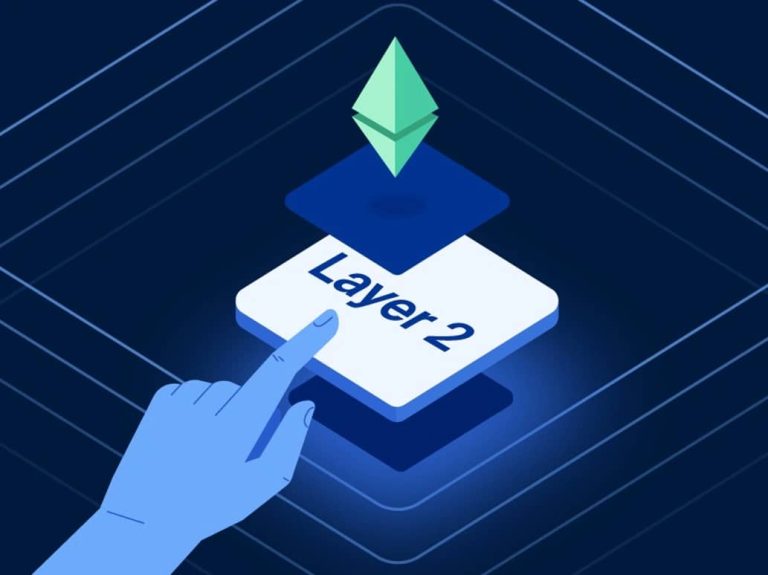
The core architecture of the Ethereum network has undergone a massive paradigm shift. While the base layer prioritizes unmatched decentralization and security, its capacity to process thousands of transactions per second globally has historically faced physical bottlenecks. To solve this constraint without compromising user asset safety, the ecosystem embraced a modular scaling roadmap. Rather than forcing every single computation to execute on the main chain, developers introduced secondary execution environments. Among these technologies, rollups and sidechains have emerged as the primary engines driving high-speed blockchain activity. Understanding how these systems function reveals the trajectory of modern decentralized infrastructure.

The Scaling Trilemma and the Birth of Layer 2

The fundamental challenge in distributed ledger technology revolves around the scalability trilemma, which dictates that a blockchain can typically only optimize two out of three desirable attributes: decentralization, security, and scalability. Ethereum chose to anchor its foundation heavily on security and decentralization, leaving high-throughput execution to auxiliary networks known as Layer 2 protocols.

  • Offloading Computational Load: These secondary networks handle transaction execution away from the main chain, significantly reducing the data weight burden.

  • Inheriting Base Layer Security: True scaling solutions tie their transactional state back to the primary chain, ensuring that users do not have to trust a completely separate set of validators with their funds.

  • Cost Reduction: By batching multiple data transactions into compact submissions, user fees drop exponentially compared to interacting directly with the main network.

Rollups as the Primary Scaling Architecture

Rollups represent the dominant path for Ethereum scaling. They earn their name because they bundle, or roll up, hundreds or thousands of individual user transactions off-chain into a single consolidated package before posting the final output back to the main ledger. This design minimizes congestion while maintaining cryptographic ties to the foundational network. Within this architectural family, two distinct models lead the market: Optimistic rollups and Zero-Knowledge rollups.

  • Optimistic Rollups: These networks assume all processed transactions are valid by default. They post transaction data to the main chain and utilize a specific time window where participants can submit fraud proofs if an invalid state transition is detected.

  • Zero-Knowledge Rollups: These advanced systems utilize heavy mathematical cryptography to generate validity proofs. Instead of trusting default validity, every batch is accompanied by a cryptographic proof that mathematically guarantees correctness before it is accepted by the base layer.

  • Data Availability Innovations: Upgrades focused on blob-space storage have systematically lowered the cost of posting rollup data to the main chain, making transactions cheaper for everyday users.

Sidechains and Their Distinct Trust Models

While rollups secure their activity directly through the main settlement layer, sidechains operate as independent blockchains that run parallel to the primary network. A sidechain features its own consensus mechanism, its own validator set, and its native block generation schedule.

  • The Two-Way Bridge: Assets move between the main network and a sidechain via cross-chain bridges, where tokens are typically locked in a smart contract on one side and minted or released on the other.

  • Independent Consensus: Because sidechains rely on their own validators rather than Ethereum for final settlement security, they possess a completely different trust assumption.

  • Custom Rules and Speed: This structural independence allows sidechains to offer ultra-fast block times and near-zero fees, making them attractive for high-frequency gaming environments and specialized application chains.

Comparing Execution Efficiency and Security Guarantees

Choosing between a rollup and a sidechain involves balancing performance requirements against security parameters. Rollups inherit the economic security and censorship resistance of the primary network, meaning an attacker would need to compromise the main chain to alter rollup history. However, optimistic rollups historically featured withdrawal delays while fraud-proof windows remained open, though newer cryptographic designs continue to accelerate finality.

Sidechains avoid these native settlement delays entirely, offering instant transaction confirmation and flexible governance frameworks. The trade-off lies in security isolation. If a sidechain’s independent validator set experiences a catastrophic failure or collusion event, funds bridged to that environment face severe vulnerability, as the main chain cannot override or police internal sidechain consensus rules.

The Modern Multi-Chain Ecosystem Outlook

The ongoing evolution of the Ethereum ecosystem points toward a modular future where thousands of specialized execution layers cater to distinct user needs. General-purpose rollups handle broad decentralized finance and token transfers, while application-specific networks optimize infrastructure for gaming, social media, and institutional finance. As cryptographic proving times decrease and data storage mechanisms become more streamlined, the boundary between interacting with layer one and layer two continues to blur for the end user. This maturation transforms scaling technology from an experimental patch into the permanent foundational backbone of global web3 adoption.

Frequently Asked Questions

What is a data blob and how does it affect transaction fees?

A data blob is a temporary storage mechanism introduced to the main network specifically to hold rollup transaction data cheaply, preventing rollups from clogging standard block space and drastically reducing fees for end users.

Why do optimistic rollups require a challenge period for withdrawals?

The challenge period acts as a safety window during which network participants can review transaction batches and submit fraud proofs if any malicious or incorrect state transition is detected.

How do zero-knowledge proofs eliminate the need for a trust assumption?

Zero-knowledge proofs use advanced cryptography to mathematically prove that a batch of transactions was executed correctly without revealing the underlying data, allowing the main chain to verify correctness instantly without trusting an operator.

Can a sidechain ever be considered a true Layer 2 network?

Technical experts distinguish sidechains from true Layer 2 systems because sidechains rely on their own independent security and consensus models rather than inheriting the security guarantees of the primary settlement layer.

What happens to bridged assets if a sidechain validator network fails?

If a sidechain validator set is compromised or stops functioning, tokens locked in the bridge contract can become stuck or lost because the main network lacks the authority to override the sidechain’s internal consensus rules.

How do sequencers manage transaction ordering inside a rollup?

Sequencers are specialized nodes responsible for collecting, ordering, and executing user transactions within a rollup before bundling them and submitting the final compressed data package to the main chain.

Why are app-specific rollups becoming popular among developers?

App-specific rollups allow developers to customize gas tokens, optimize throughput limits, and design bespoke execution logic tailored exclusively to a single high-traffic application without competing for block space with unrelated protocols.

Financial freedom has long been defined by geography, socioeconomic status, and access to legacy banking institutions. For decades, traditional financial systems held a monopoly on how people save, spend, and move money across borders. However, the rise of decentralized digital assets has fundamentally altered this landscape. Cryptocurrency is no longer just a speculative asset class for tech enthusiasts. It has matured into a robust alternative financial infrastructure that empowers individuals worldwide by granting them total control over their wealth.

The Architectural Flaws of Legacy Banking

Traditional banking systems rely heavily on centralized intermediaries such as commercial banks, clearinghouses, and government-backed central authorities. While these institutions built modern commerce, they also introduced steep inefficiencies. High transaction fees, slow settlement times, and strict geographic boundaries often leave everyday users at a disadvantage.

  • Geographic Restrictions: Opening a bank account requires physical documentation, local residency proofs, and formal credit histories that millions of people lack.

  • Exorbitant Fees: Cross-border remittances through legacy wire services frequently devour ten percent or more of the transferred amount in exchange fees and poor currency conversion rates.

  • Censorship and Control: Centralized authorities retain the power to freeze accounts, block transactions, or de-platform users based on arbitrary political or regional policies.

These limitations create systemic barriers that keep large portions of the global population trapped in inefficient financial loops. Cryptocurrencies eliminate these centralized gatekeepers by replacing them with transparent, mathematically secured code.

Bridging the Gap for the Unbanked

One of the most profound impacts of digital currency is its ability to provide financial services to populations ignored by traditional banks. Billions of adults worldwide lack access to basic banking infrastructure, rendering them unable to secure loans, build savings safely, or participate in the digital economy.

Smartphones and internet connectivity have become the only prerequisites for entering the crypto economy. A person living in a remote village with zero physical bank branches can download a non-custodial digital wallet within minutes. Through this single application, they can receive funds, store value securely against local currency devaluation, and pay for goods globally. This direct access bypasses the generational hurdle of meeting strict institutional onboarding requirements.

Overcoming Hyperinflation and Currency Devaluation

In regions plagued by economic mismanagement and runaway inflation, local fiat currencies can lose their purchasing power overnight. Citizens in countries experiencing severe economic crises often watch their life savings evaporate simply by holding local paper money.

Cryptocurrencies, particularly decentralized assets with fixed or algorithmically capped supplies, serve as a vital economic lifeline. By converting local earnings into digital tokens or stablecoins pegged to stable foreign reserves, citizens can protect the fruits of their labor. This capability shifts the power dynamic back to the individual, ensuring that government policy failures do not automatically translate into personal financial ruin.

Seamless Cross-Border Remittances

Moving money internationally has historically been an agonizingly slow and expensive ordeal. Families relying on financial support from relatives working abroad frequently lose substantial portions of their hard-earned money to intermediary fees and multi-day waiting periods.

Blockchain networks operate continuously without regard for weekends, holidays, or national borders. A transaction initiated on a decentralized network settles globally within seconds or minutes, costing pennies rather than heavy percentage-based fees. This efficiency ensures that money intended for food, education, and healthcare reaches its destination intact, directly maximizing the economic welfare of recipient households.

The Convergence of Traditional Finance and Decentralized Networks

The narrative surrounding digital assets has shifted dramatically from rebellious isolation to institutional integration. Major financial institutions, asset managers, and global corporations now recognize that blockchain technology offers superior settlement layers and operational transparency.

  • Tokenization of Real-World Assets: Traditional financial instruments like bonds, real estate titles, and equities are increasingly being tokenized, allowing for fractional ownership and instant liquidity.

  • Regulatory Evolution: Clearer regulatory frameworks across major economies have legitimized digital assets, providing institutional investors the legal clarity needed to deploy capital safely.

  • Interoperable Networks: Modern protocols now allow different blockchains to communicate seamlessly, creating a unified global liquidity pool that operates around the clock.

This convergence accelerates mainstream acceptance, cementing blockchain not as a temporary technological fad, but as the foundational plumbing for the next evolution of global finance.

Navigating Remaining Hurdles on the Path to Adoption

Despite its immense promise, the ecosystem still faces notable challenges that require careful navigation. High price volatility in native tokens can complicate short-term budgeting and everyday commerce. Furthermore, security risks, user error in self-custody, and complex tax reporting frameworks present steep learning curves for newcomers.

Education and technological maturation remain the ultimate remedies for these friction points. As wallet interfaces become more intuitive, layer-two scaling solutions reduce network congestion fees, and regulatory compliance standards mature, the user experience will closely mirror or exceed that of traditional digital banking.

Conclusion

Cryptocurrency is actively rewriting the rules of global economic engagement. By stripping away unnecessary intermediaries, lowering the barriers of entry, and offering protection against systemic economic instability, digital assets restore financial sovereignty to the individual. Financial freedom is transitioning from a localized privilege managed by banking elites into an open-source, universally accessible right powered by code.

Frequently Asked Questions

What is a non-custodial wallet and why is it important for financial freedom?

A non-custodial wallet is a digital application where you hold the exclusive private keys to your funds. Unlike traditional bank accounts where a third party controls your money, a non-custodial wallet ensures that absolute ownership and control remain entirely in your hands without risk of institutional freezing.

How do stablecoins differ from volatile cryptocurrencies like Bitcoin?

Stablecoins are digital tokens designed to maintain a stable value by being pegged to a reserve asset, typically the United States Dollar. While coins like Bitcoin function as long-term stores of value and speculative assets, stablecoins provide a reliable medium for daily commerce and international savings without exposure to wild price swings.

Can governments completely ban or shut down decentralized cryptocurrencies?

Because decentralized networks run on distributed nodes spread across thousands of independent computers worldwide, no single government can shut them down. While nations can regulate local entry and exit points, they cannot alter or halt the underlying global blockchain code.

What are gas fees and why do they fluctuate?

Gas fees are small transaction costs paid to network validators for computing and securing transactions on a blockchain. These fees fluctuate based on network congestion; when demand for block space spikes, users pay higher priority fees to have their transactions processed faster.

How does blockchain technology protect user privacy while maintaining transparency?

Public blockchains use cryptographic addresses rather than real-world names to record transactions, offering a layer of pseudonymity. Every transaction is transparently viewable on the immutable ledger, but the true identity behind a wallet address remains private unless explicitly linked through external verification.

What role do smart contracts play in decentralized financial autonomy?

Smart contracts are self-executing programs coded directly onto the blockchain that automatically carry out agreements when predefined conditions are met. They remove the need for trusted legal intermediaries, allowing users to lend, borrow, and trade peer-to-peer with absolute algorithmic certainty.

The digital asset landscape has witnessed unprecedented transformations over the past several years, with non-fungible tokens emerging as a cultural and financial phenomenon. While the concept of unique digital identifiers existed prior to the mainstream crypto boom, the actual explosion of the market required a specific technological foundation. Ethereum provided that crucial foundation, acting as the primary engine for the creation, distribution, and trade of digital collectibles. By introducing programmable code to blockchain architecture, the network transformed how creators and collectors interact with digital ownership.

The Shift From Simple Currency to Programmable Infrastructure

When Bitcoin first captured global attention, it established the viability of decentralized peer-to-peer monetary transfers. However, its scripting language was intentionally limited to maintain high security for financial transactions. Ethereum expanded this vision by introducing Turing-complete smart contracts, which are self-executing programs that run automatically when predetermined conditions are met.

  • Execution Logic: Smart contracts eliminate the need for trusted intermediaries, allowing complex agreements to execute directly on a decentralized ledger.

  • Asset Issuance: Developers gained the ability to issue custom tokens tailored to specific use cases rather than being restricted to a single native coin.

  • Permanent Record Keeping: Every creation, transfer, and sale is recorded immutably, ensuring that provenance and historical ownership remain completely transparent.

Standardization Through Token Protocols

A major barrier to early digital asset adoption was the lack of uniformity across different applications. Platforms could not easily recognize or trade items created by external developers. Ethereum resolved this fragmentation by introducing standardized token frameworks that dictated how smart contracts should handle unique items.

  • The ERC-721 Standard: This breakthrough protocol established a formal blueprint for non-fungible tokens, ensuring that every single token possessed a unique identifier and distinct metadata.

  • The ERC-1155 Standard: Later innovations allowed developers to batch multiple token types—both fungible and non-fungible—into a single contract, vastly optimizing gas efficiency for gaming inventories and metaverse assets.

  • Ecosystem Interoperability: Because projects adhered to these shared standards, third-party marketplaces and software wallets could seamlessly integrate any new collection without custom coding.

The Catalyst Role of Early Marketplaces and Viral Projects

Infrastructure alone does not guarantee cultural adoption, but Ethereum provided the fertile ground necessary for viral applications to take root. Early digital collectible experiments demonstrated the commercial viability of provable scarcity on a public ledger. Soon after, specialized peer-to-peer marketplaces emerged, built natively to interact with Ethereum smart contracts.

  • Frictionless Trading: Platforms allowed users to connect non-custodial wallets and list digital art or virtual land for sale within seconds.

  • Automated Royalties: Smart contracts enabled creators to program automated royalty percentages into secondary sales, ensuring artists received a cut of future market appreciation.

  • Global Liquidity: By pooling buyers and sellers from around the world into unified order books, these marketplaces created liquid multi-billion-dollar economies nearly overnight.

Scaling Challenges and Technological Evolution

The massive influx of users and transaction volume exposed notable performance bottlenecks within the network. High demand for block space triggered severe congestion, driving transaction fees upward and pricing out casual participants during peak periods. This friction forced the ecosystem to evolve rapidly.

Developers shifted focus toward Layer 2 scaling networks and architectural optimizations designed to process transactions off the main chain while inheriting its robust security guarantees. Furthermore, the network transition to a proof-of-stake consensus mechanism drastically reduced energy consumption, addressing environmental criticisms and aligning the platform with sustainable corporate mandates.

Redefining Digital Ownership and Future Horizons

The integration of non-fungible assets on a secure smart contract platform fundamentally altered perceptions of value in the digital realm. Files that were once infinitely reproducible and prone to piracy suddenly gained verified scarcity and clear chains of custody.

As the underlying technology continues to mature, utility expands far beyond speculative profile pictures and digital artwork. Sectors ranging from event ticketing and supply chain tracking to decentralized identity verification and gaming economies increasingly rely on the proven framework established by the network, cementing its status as the bedrock of digital ownership innovation.

Frequently Asked Questions

What makes an asset non-fungible compared to standard cryptocurrencies?

A non-fungible asset possesses unique cryptographic properties and metadata that distinguish it entirely from any other unit, meaning it cannot be swapped on a direct one-to-one basis like interchangeable coins such as Bitcoin or standard utility tokens.

How do smart contracts prevent fraud in digital art sales?

Smart contracts automatically verify ownership records and execute trades conditionally, ensuring that a buyer receives the authentic token simultaneously as the seller receives funds, removing the possibility of counterfeit duplication or bad-faith contract manipulation.

Why do users need a cryptocurrency wallet to interact with token marketplaces?

A web-based crypto wallet acts as both a secure login credential and a digital storage vault, allowing users to sign transactions cryptographically and prove ownership of their assets without relying on a centralized corporate database.

What role do metadata decentralized storage solutions play in token architecture?

Because storing large files directly on a blockchain is cost-prohibitive, projects typically store high-resolution media on decentralized peer-to-peer file systems while linking the corresponding pointer address inside the immutable smart contract.

How do Layer 2 networks help alleviate network congestion?

Layer 2 protocols bundle thousands of individual transactions together off the main blockchain, process them rapidly at a fraction of the cost, and submit a single cryptographic proof back to the primary network for ultimate security settling.

What is the significance of programmatic creator royalties on secondary markets?

Programmatic royalties ensure that original creators automatically receive a designated percentage of revenue every time their digital creation resells on secondary markets, creating a sustainable economic model that traditional fine art markets struggle to replicate.

How did the shift to proof-of-stake impact network accessibility?

Moving away from energy-intensive mining hardware lowered operational barriers for network validators, slashed total energy consumption by over ninety-nine percent, and stabilized long-term economic inflation parameters for the underlying native asset.

Navigating the digital asset market requires moving beyond simple price action and social media hype. While technical charts show historical price paths, fundamental analysis digs into the core drivers of an asset to evaluate its true intrinsic value. In traditional finance, this process involves scrutinizing corporate balance sheets, earnings reports, and management structures. In the decentralized world of blockchain technology, fundamental analysis adapts these core principles to evaluate network utility, developer commitment, on-chain activity, and token distribution models. Developing a structured framework for assessing these variables allows participants to separate sustainable projects from speculative fads.

Decoding Tokenomics and Supply Dynamics

Tokenomics represents the structural economic design of a cryptocurrency, governing how a digital asset is created, distributed, and utilized over time. Evaluating these parameters provides critical insight into future selling pressure and long-term price stability.

  • Circulating Supply Versus Maximum Supply: The circulating supply dictates how many tokens are actively available in the market today, while the maximum supply cap establishes the absolute limit that will ever exist. Assets with fixed caps often appeal to investors seeking protection against currency devaluation.

  • Fully Diluted Valuation: Calculated by multiplying the total maximum supply by the current market price, the fully diluted valuation reveals what the network capitalization would be if every single token were unlocked and circulating immediately. A massive gap between current market cap and fully diluted valuation signals heavy upcoming token inflation.

  • Vesting Schedules and Emission Rates: Understanding when team allocations, venture capital investments, and staking rewards enter circulation helps investors anticipate supply shocks and liquidity dilution.

Analyzing On-Chain Activity and Network Health

Because public blockchains record every single transaction transparently on an immutable ledger, analysts can examine real-time usage data to measure genuine adoption rather than artificial market hype.

  • Active Addresses and Transaction Counts: Tracking the number of unique active wallet addresses and total daily transactions helps determine whether a network maintains a vibrant, growing user base.

  • Total Value Locked: For decentralized finance protocols, total value locked measures the aggregate capital deposited into smart contracts, serving as a key indicator of platform trust and liquidity depth.

  • Transaction Fees and Revenue Generation: Networks that consistently generate organic fee revenue demonstrate true economic demand for block space, separating utilitarian protocols from idle tokens.

Evaluating Project Teams and Development Activity

Behind every functional protocol lies a team of developers, researchers, and community managers whose past performance and ongoing commitment dictate execution success.

  • Track Record and Credibility: Investigating the founding members ensures the project is backed by individuals with verifiable expertise in cryptography, economics, or distributed systems.

  • Public Code Repositories: Monitoring developer commit frequency on public platforms provides an objective look at ongoing engineering progress, proving whether a project is actively maintained or abandoned.

  • Governance Structures: Examining how upgrades are proposed and voted upon reveals whether the network maintains true decentralization or relies on centralized administrative control.

Assessing Utility and Competitive Advantage

A cryptocurrency must serve a clear, practical purpose within its ecosystem to retain long-term demand. Tokens that exist purely for speculation often suffer steep declines during broader market corrections.

  • Core Utility: Effective tokens are utilized for paying network gas fees, securing consensus through staking, or executing decentralized governance rights.

  • Market Niche and Competitors: Evaluating how a project differentiates itself from existing market leaders helps determine whether its technological innovation provides a defensible competitive moat.

Frequently Asked Questions

What is the difference between circulating market capitalization and fully diluted valuation?

Circulating market capitalization multiplies the current token price by the number of coins actively trading in the open market, whereas fully diluted valuation calculates the total market value if every planned token were already in circulation.

Why are vesting schedules important when researching a new token?

Vesting schedules dictate when early investors and core team members can legally sell their locked allocations, helping traders anticipate potential supply inflation and heavy sell-offs on secondary exchanges.

How do on-chain metrics differ from traditional financial statements?

On-chain metrics track real-time blockchain activity such as wallet interactions, smart contract calls, and gas fees directly from the public ledger, replacing corporate income statements and balance sheets with transparent data.

What does a high network value to transactions ratio suggest?

A high network value to transactions ratio indicates that an asset may be overvalued relative to the actual economic volume moving across its blockchain infrastructure.

Why is developer commit frequency a useful indicator of project health?

Frequent updates and code commits on public repositories demonstrate that engineers are actively fixing bugs, shipping upgrades, and maintaining the software rather than letting the project stagnate.

How does token utility influence long-term price sustainability?

When a token possesses mandatory utility within a high-demand ecosystem, users must acquire and hold the asset to access services, creating organic demand that buffers against pure speculation.

Can fundamental analysis prevent losses in volatile crypto markets?

While fundamental analysis identifies strong underlying assets and intrinsic value, it cannot eliminate short-term volatility or macro market downturns, which is why risk management remains essential.

The digital asset class has evolved from an obscure internet experiment into a recognized component of global finance. For years, market participants operated within a legal gray area defined by ambiguity, sudden enforcement actions, and shifting jurisdictional stances. As governments worldwide transition toward establishing comprehensive legal frameworks, the rules governing how digital assets are issued, traded, and stored are being permanently rewritten. These regulatory shifts do more than just alter short-term market sentiment; they fundamentally reshape the calculus for long-term investors, altering asset selection, portfolio construction, and risk management strategies.

The Shift from Ambiguity to Structured Compliance

Historically, crypto markets thrived on decentralization and a lack of traditional oversight. However, this absence of clear rules also invited widespread fraud, market manipulation, and systemic platform failures that deterred institutional capital. Modern regulatory developments aim to bring order to this ecosystem by establishing clear definitions for digital commodities, payment instruments, and investment contracts.

  • Legitimacy and Institutional Inflows: Clear compliance guidelines lower the barrier to entry for pension funds, corporate treasuries, and asset managers who previously could not justify regulatory exposure.

  • Elimination of Bad Actors: Rigorous registration requirements, anti-money laundering standards, and mandatory reserve disclosures systematically flush predatory platforms out of the market.

  • Structural Market Maturity: Transitioning into a regulated asset class reduces extreme regulatory headline risk, replacing sudden panic with predictable legal processes.

Impact on Asset Selection and Token Classification

Regulatory clarity introduces stringent classification criteria that directly impact which digital assets survive and thrive over multi-year horizons. Lawmakers and financial watchdogs increasingly distinguish between decentralized commodities, payment stablecoins, and tokenized securities.

  • Commodity Status for Decentralized Networks: Assets that achieve decentralized commodity status benefit from streamlined oversight, making them more attractive for inclusion in regulated investment products and exchange-traded funds.

  • Strict Oversight for Tokenized Offerings: Protocols that launched via initial coin offerings without proper disclosures face ongoing compliance hurdles, forcing projects to restructure or risk delisting from compliant venues.

  • Stablecoin Integration: Payment stablecoins tied to strict reserve and auditing mandates become dependable settlement tools, bridging traditional fiat systems with decentralized applications.

Redefining Custody and Counterparty Risk

Long-term investing relies heavily on the safety of stored capital. Regulatory changes shift the responsibilities of asset custody away from opaque offshore entities toward licensed financial institutions and qualified custodians.

  • Self-Custody Rights: While institutional platforms face heavy compliance, regulations typically preserve the fundamental right of individuals to hold assets in private, non-custodial hardware wallets.

  • Exchange Accountability: Centralized platforms must now maintain segregated customer funds, regular proof-of-reserves audits, and robust cybersecurity protocols, significantly lowering the risk of sudden exchange insolvencies.

  • Insurance and Protection: Regulated custody solutions often include insurance mechanisms against theft or operational failure, providing institutional-grade security for retail and corporate portfolios alike.

Tax Transparency and Strategic Portfolio Planning

Tax compliance represents one of the most immediate impacts of evolving regulatory frameworks. Governments are closing loopholes and integrating blockchain analytics tools into tax collection agencies to track digital asset transactions efficiently.

  • Capital Gains Tracking: Long-term investors must maintain precise records of cost bases, holding periods, and cross-chain swaps, as automated reporting requirements make avoidance nearly impossible.

  • Jurisdictional Arbitrage: Tax residency plays an increasingly critical role in long-term planning, as different nations implement vastly divergent tax treatments for staking rewards, airdrops, and token conversions.

  • Integrated Reporting Software: Portfolio management now requires specialized accounting tools that synchronize on-chain activity with regulatory reporting standards to ensure seamless tax compliance.

Adapting Your Long-Term Investment Thesis

Navigating this new era requires a strategic pivot from speculative trading toward value-driven investing. Assets backed by clear utility, strong developer ecosystems, and regulatory adaptability are positioned to outperform speculative tokens that rely entirely on hype. Long-term participants must continuously evaluate how policy changes affect the fundamental thesis of each holding, ensuring that compliance risks do not outweigh technological potential. By aligning investment portfolios with transparent, well-regulated rails, participants can secure sustainable exposure to the future of digital finance.

Frequently Asked Questions

How do spot exchange-traded funds change the dynamics for long-term crypto investors?

Spot exchange-traded funds allow investors to gain direct price exposure to digital assets through traditional brokerage accounts without managing private keys or navigating crypto-native exchanges, which brings massive pools of retirement and institutional capital into the market.

What is a qualified custodian in the context of digital assets?

A qualified custodian is a regulated financial institution or specialized trust company authorized to safeguard customer digital assets securely, meeting strict legal standards for capital reserves, insurance, and operational safety.

Why do stricter anti-money laundering rules matter for decentralized finance protocols?

Stricter anti-money laundering rules force front-end interfaces and centralized access points of decentralized finance to implement identity verification checks, creating compliance hurdles that separate permissionless smart contracts from regulated institutional entry points.

Can governments completely ban decentralized cryptocurrencies?

While governments can outlaw local exchanges, mining operations, and fiat on-ramps, they cannot easily shut down decentralized, peer-to-peer blockchain networks that operate on globally distributed validator nodes without central points of failure.

How does token utility help an asset weather regulatory pressure?

Tokens that serve an active, mandatory function within a decentralized network—such as paying for computational gas or securing consensus—possess intrinsic economic demand that helps separate them from assets classified strictly as speculative securities.

What are the tax implications of converting one cryptocurrency into another?

In many major jurisdictions, swapping one digital asset for another is treated as a taxable disposal event, meaning investors must calculate capital gains or losses at the exact moment of the trade even if no fiat currency was withdrawn.

How can individual investors stay informed about fast-moving policy changes?

Investors can monitor official regulatory docket announcements from primary financial agencies, track bipartisan legislative tracking tools, and follow updates from legal experts specializing in digital asset compliance and financial market structure.

Crypto is built for speed. You can move money globally in minutes, trade 24/7, and control your own assets. But that same speed is exactly why scammers love crypto especially when it comes to withdrawals.

Withdrawal scams are one of the most common ways people lose funds. And the worst part is that these scams don’t always look like scams. Many of them look like “help,” “support,” or “an opportunity.”

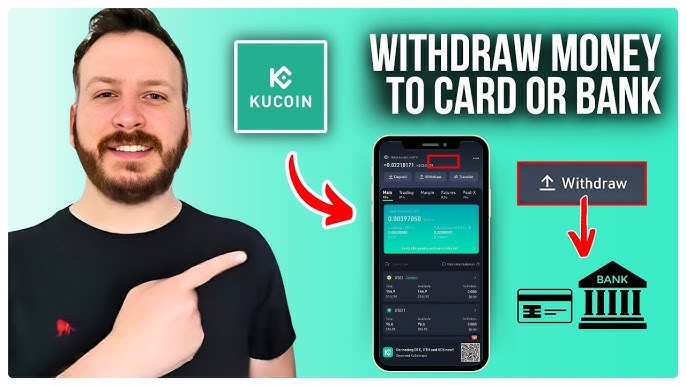
If you’re searching for how to prevent withdrawal scams on KuCoin, you’re already ahead of most users. Because the strongest protection in crypto isn’t luck it’s knowledge and good habits.

This guide breaks down how withdrawal scams work, how scammers target KuCoin users, and the exact steps you can take to protect your account and funds.

Why Withdrawal Scams Are So Dangerous in Crypto

In traditional banking, fraud is often reversible. If someone steals your card, you can block it. If a payment is suspicious, the bank can sometimes reverse it. Crypto doesn’t work that way.

When a withdrawal is confirmed and sent on-chain, it’s usually:

  • irreversible
  • final
  • extremely hard to recover

That’s why scammers focus on withdrawals. They don’t need to “hack” KuCoin itself they just need to trick the user into approving the wrong thing. And once the withdrawal happens, the scammer wins.

What a Withdrawal Scam on KuCoin Actually Looks Like

A lot of people imagine scams as something obvious, like a poorly written email with a random link. But modern withdrawal scams are more advanced.

Most KuCoin withdrawal scams fall into two categories:

1) Social engineering scams

This is when scammers manipulate you emotionally using fear, urgency, or greed.

2) Technical redirection scams

This is when scammers use malware or phishing to redirect your withdrawal or steal login access.

In both cases, the target is the same: your withdrawal approval.

The Most Common Withdrawal Scam Tactics Targeting KuCoin Users

To prevent withdrawal scams, you need to know how they operate. Here are the most common tactics scammers use.

1. “KuCoin Support” in Telegram, WhatsApp, or X (Twitter)

This is one of the most common scams. A scammer creates a profile that looks official.

They use:

  • KuCoin logo
  • fake support badges
  • usernames that look real
  • copied support language

They message you and say things like:

  • “Your account is at risk. Withdraw immediately.”
  • “Your KuCoin withdrawal is blocked. Contact me.”
  • “You need to verify your wallet to unlock funds.”
  • “We detected suspicious activity. Send funds to a safe address.”

The goal is to make you panic so you act without thinking.

Important: Real support will never ask you to withdraw to a “safe wallet.”

2. Fake Withdrawal Alerts and Emails

Scammers send emails that look like KuCoin notifications.

They may claim:

  • a withdrawal has been initiated
  • your account is locked
  • your funds are frozen
  • your KYC failed
  • your account will be disabled

Then they include a link that leads to a fake login page.

The moment you log in, you’ve handed them:

  • your password
  • your email
  • your 2FA code (if entered)

After that, they log in and withdraw your funds.

3. “Withdraw to Our Wallet to Activate Profits”

This scam often targets beginners.

A scammer pretends to be:

  • a trading mentor
  • an investment manager
  • a VIP signals group admin
  • a crypto influencer

They may show:

  • fake profit screenshots
  • fake withdrawal proofs
  • fake testimonials

Then they tell you:

“Withdraw your USDT from KuCoin to this wallet, and we will double it.” Or “Withdraw to this wallet to join our mining pool.” Once you send funds, they vanish.

4. Clipboard Malware (The Silent Killer)

This scam is extremely dangerous because it doesn’t rely on social manipulation.

Clipboard malware works like this:

  • You copy your wallet address
  • You paste it into KuCoin’s withdrawal form
  • The malware automatically swaps the address with the scammer’s address
  • You confirm withdrawal
  • Funds go to the scammer

You don’t notice because the pasted address looks normal at a glance. This is why checking the first and last characters of an address is a life-saving habit.

5. “Your Withdrawal Is Pending – Pay a Fee”

This scam is designed to steal money in smaller chunks.

A scammer tells you:

  • your withdrawal is stuck
  • you need to pay a “release fee”
  • you must send a “verification deposit”
  • your account needs “gas fees”

This is not how exchanges work. If you’re ever asked to pay a fee to unlock a withdrawal through a random person, it’s a scam.

How to Prevent Withdrawal Scams on KuCoin (Step-by-Step)

Now let’s go into the practical prevention methods that actually work.

1. Use Two-Factor Authentication (2FA) and Keep It Private

2FA is one of the best security layers available. Even if someone gets your password, they still can’t easily log in without your authentication code.

Important 2FA rules:

  • never share your codes
  • never type codes into suspicious websites
  • don’t store 2FA backups in unsecured places

If anyone asks for your 2FA code, that is a scam every time.

2. Turn On KuCoin Security Settings (Don’t Skip This)

KuCoin offers account protection features that many users ignore.

Take a few minutes to enable:

  • login security alerts
  • withdrawal verification
  • device management
  • anti-phishing protections

These features can stop suspicious access before it turns into a withdrawal.

3. Only Use Official KuCoin Channels

A simple rule prevents a huge percentage of scams. Never trust KuCoin support from DMs.

If someone claims to be support, verify through:

  • the official KuCoin website
  • official help center
  • official in-app support

Scammers avoid official channels because they can’t operate there.

4. Double-Check Wallet Addresses Every Single Time

This is one of the most important habits.

Before confirming any withdrawal:

  • check the first 6 characters
  • check the last 6 characters
  • confirm it matches your intended wallet
  • confirm the network is correct

This prevents:

  • clipboard malware losses
  • copy/paste mistakes
  • address swapping scams

In crypto, one wrong address permanent loss.

5. Avoid Rushed Withdrawals

Scammers love urgency.

They want you to withdraw quickly because speed kills logic.

Any message that says:

  • “Do it now”
  • “Your account will be frozen”
  • “Withdraw in 10 minutes”
  • “Immediate verification required”

is a red flag. Real security processes don’t happen through random DMs with a countdown timer.

6. Use Withdrawal Whitelisting (If Available)

Withdrawal whitelisting is one of the strongest protections against scams.

It ensures withdrawals only go to wallet addresses you have already saved and approved.

Even if your account is compromised, a scammer can’t easily withdraw to their address.

7. Don’t Trust “Recovery Agents” or “Withdrawal Unlockers”

Some scammers specialize in pretending they can help.

They claim:

  • they can recover lost funds
  • they can unlock a pending withdrawal
  • they can fix a KYC issue

Then they ask for:

  • your login info
  • your email
  • your verification code
  • a “small deposit”

These are scams. If there’s an account issue, use official KuCoin support only.

8. Watch Out for Fake Apps and Browser Extensions

Some scams involve fake apps that look like KuCoin.

Best practices:

  • download the app only from official stores
  • avoid random APK files
  • don’t install “KuCoin helpers” extensions
  • keep your device clean and updated

Many withdrawal scams start from a compromised device, not the exchange.

Withdrawal Scam Red Flags You Should Never Ignore

If you notice any of these, stop immediately:

  • someone contacts you first claiming to be support
  • you’re asked to withdraw to a “safe wallet”
  • you’re asked for your password or 2FA code
  • you’re promised guaranteed returns
  • you’re told to “verify” by sending crypto
  • you’re pressured to act fast
  • the person refuses official support channels

If it feels rushed, secretive, or too good to be true it’s almost always a scam.

What to Do If You Think Your KuCoin Account Is at Risk

If you suspect a withdrawal scam or suspicious activity:

  1. Change your password immediately
  2. Disable sessions you don’t recognize
  3. Check withdrawal addresses and settings
  4. Reset 2FA if you think it was exposed
  5. Scan your device for malware
  6. Contact official KuCoin support through the website/app

Speed matters. If a scammer has access, they will withdraw fast.

Final Thoughts: Stay Calm, Verify Everything, and Protect Your Funds

The biggest mistake users make during scams is panic. Scammers don’t win by being smarter they win by making you rush.

  • If you follow the key habits in this guide, you can protect yourself:
  • use 2FA
  • enable KuCoin security settings
  • never trust DMs
  • verify withdrawal addresses
  • avoid urgent messages
  • keep your device clean
  • withdraw only through official channels

Conclusion

If you want to know how to prevent withdrawal scams on KuCoin, the answer is clear: scams are usually not about breaking KuCoin’s system they’re about manipulating the user.

With the right security settings and careful withdrawal habits, you can stay safe, protect your funds, and trade confidently. Crypto rewards smart users and staying secure is one of the smartest moves you can make.